A FIELD GUIDE FOR CURIOUS BUILDERS
Build
the invisible.
The next screen is not in your hand.
It is in your world.
REALITYCOMPUTEHUMANTHE NEXT INTERFACE IS A RELATIONSHIP
A FIELD GUIDE FOR CURIOUS BUILDERS
The next screen is not in your hand.
It is in your world.
WHERE DOES SMARTGLASSES SIT?
Four steps from familiar eyewear to spatial computing: first capture the world, then hear it, then see information, then place it around you.
Classic eyewear. No camera, voice, speakers, compute, or display.
Camera + voice + open-ear speakers. A smart audio layer, but no lens display.
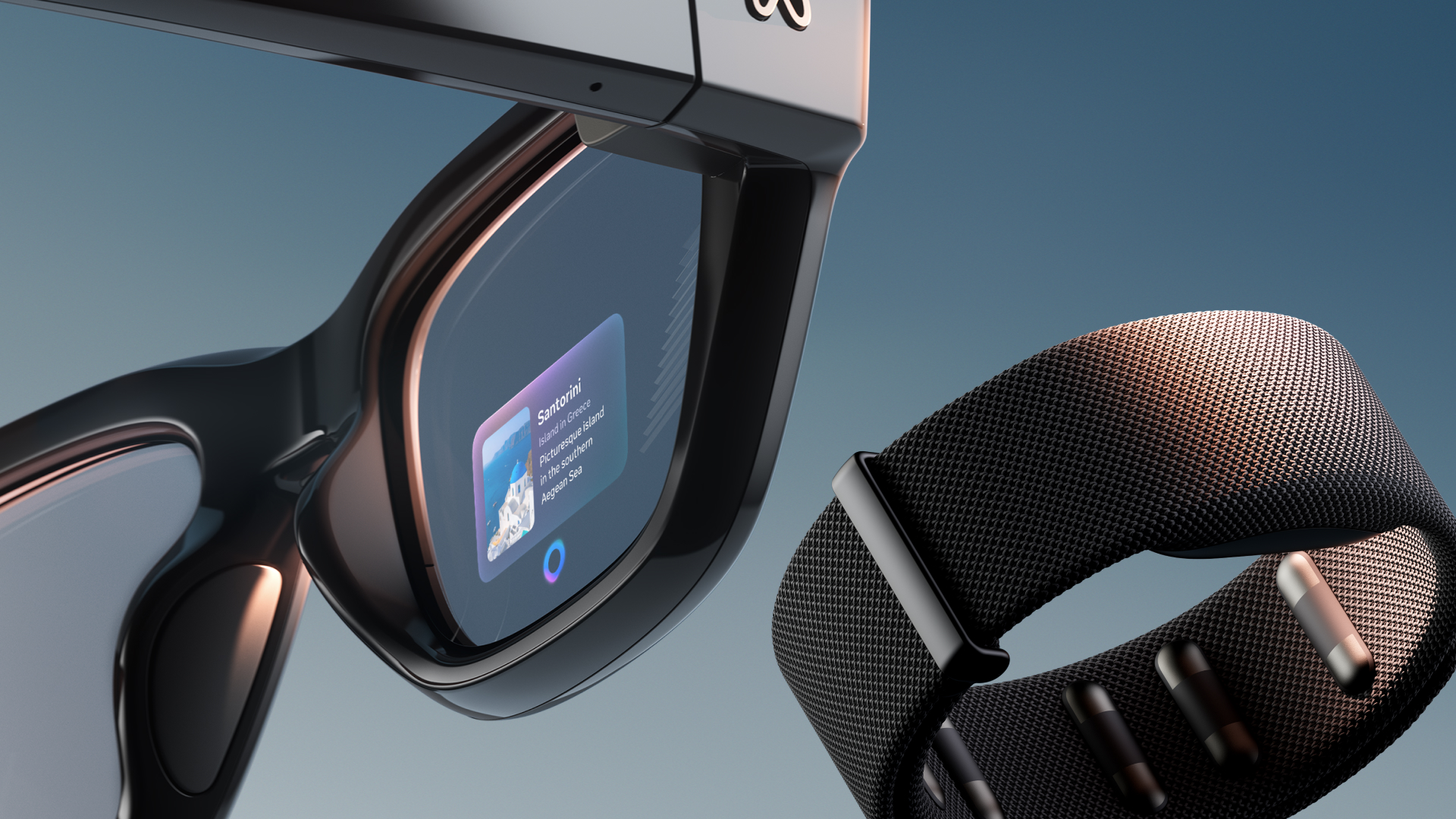
Camera + voice + speakers + monocular display. The glanceable bridge.
See-through AR prototype with spatial UI, hand tracking, and neural input.
A DIFFERENT CANVAS
THE QUIET INPUT MODEL
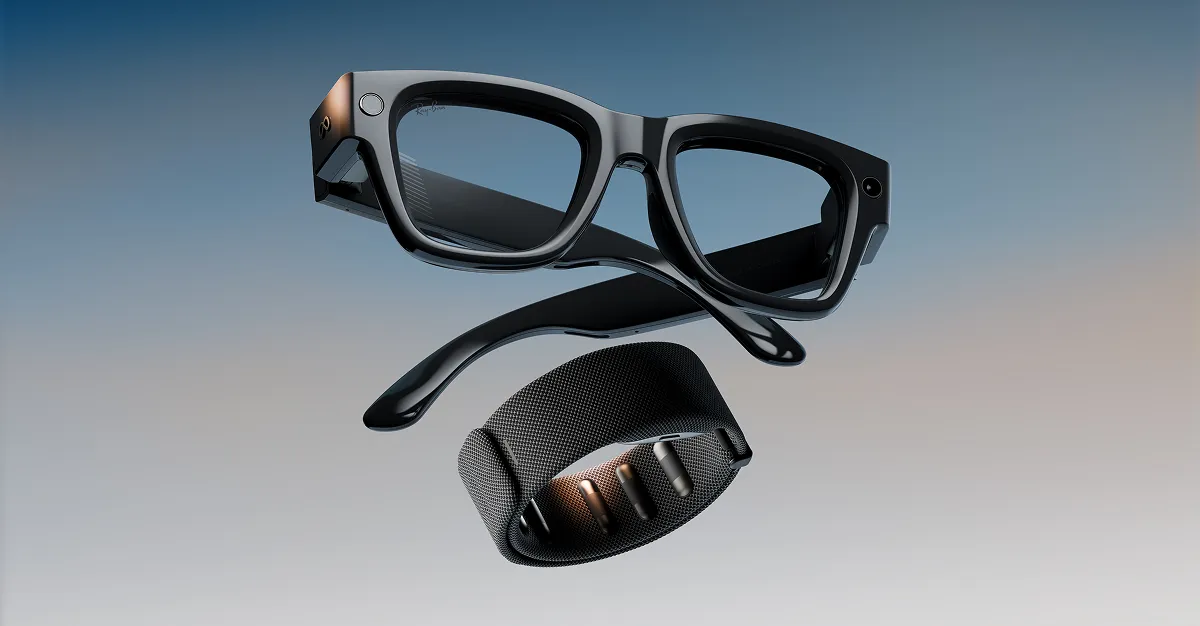
Meta Neural Band reads subtle wrist muscle signals and turns them into a small input vocabulary for display apps: select, scroll, go back, wake, invoke AI, and manipulate continuous controls.
SEE THE IDEAS IN MOTION
Five compilation reels of Meta Ray-Ban Display apps: audio, vision, landmarks, recognition, and navigation. Watch glanceable interfaces meet the world.
Videos courtesy Oscar Falmer, Wearables Developer Relations at Meta.
THE HANDOFF
The input model is clear. A good wearable app starts as a small promise: one moment, one cue, one action. Now we build that promise into a real glanceable interface.
 MRBD / DISPLAY WEB APP
LIVE WEB APP STUDIO